Let’s be honest for a second: a pretty website with no visitors is just an expensive online brochure.
On the flip side, a website with traffic but no leads is like a busy store where everyone walks in, looks around,
and walks straight out without buying.
At stech, the goal is simple: build websites that actually convert.
Not a 99-step funnel that nobody understands. We use one main engine to make that happen:
smart SEO (Search Engine Optimization) and STech-Smart-Scale an in-house built platform.
Today we breaks down:
- What SEO really is
- How SEO drives traffic to your website
- Why “more traffic” can still mean “zero sales”
- How we build websites that convert using “just” SEO
- Common SEO myths that quietly burn your money

What Is SEO, Really?
SEO is simply the practice of making your website: Easy for real people to find and use Easy for search engines (like Google) to understand and trust. It’s not hacking the algorithm. It’s not a secret insider club. It’s just: Technical cleanup – fast pages, mobile-friendly design, no broken links. Clear, helpful content – pages that answer the exact questions people are searching for. Signals of trust – other sites linking to you, good user behaviour, strong branding
If your website is slow, outdated, and thin on useful information, you’re basically saying to Google:
“Please rank my competitors instead.”
How SEO Impacts Your Website’s Traffic
Let’s connect the dots between SEO and the actual numbers in your analytics.
1. Higher Rankings → More Clicks
Most people click one of the top few results on Google. After that, click-through drops off hard.
Hardly anyone scrolls to page two on purpose.
When your SEO is dialled in, you can:
- Show up for local searches like “plumber near me” or “HVAC repair in city”
- Show up for problem-based searches like “AC not cooling properly” or “how to fix slow laptop”
- Show up for buying-intent searches like “best web design for small business” or “accountant for startups”
That traffic isn’t random. These are people who are already actively looking for help or ready to buy.
2. Better SEO = Better Quality Traffic
Traffic from random sources is like people wandering into your shop because they liked the music outside.
Nice, but they’re not necessarily there to buy. Traffic from search is different. Someone typed a specific problem or need into Google. They saw your page,
and they chose to click. That means you’re dealing with intent-driven visitors, not just “window shoppers”. That’s why organic search traffic tends to convert better than a lot of other channels. The visitors already have a problem or a goal in mind. Your website just has to convince them that you are the right answer.
3. SEO Compounds Over Time
With paid ads, the rule is simple: you pay, you show up. You stop paying, you disappear. SEO works more like investing. It takes time to build, but once you’ve built something strong, your website can
keep bringing in traffic without you having to feed it money every single day. You might not see fireworks in month one, but with a solid strategy and consistent improvements, SEO gives you
a traffic stream that:
- Doesn’t vanish when you pause ads
- Makes every other marketing channel more effective (people search your brand name after seeing you elsewhere)
- Turns your website into a genuine marketing asset, not just a digital business card
Why “Just Getting More Traffic” Isn’t Enough
Here’s the trap a lot of business owners fall into: They obsess over traffic. “We got 5,000 visitors this month!”
Sounds great… until you ask, “How many leads or sales did that turn into?” Traffic is not the finish line. It’s the starting point. A website that converts is one where:
- The right people are landing on the right pages
- They understand within seconds what you do and who you help
- There are obvious next steps: call, book, buy, request a quote
This is why at stech we talk about SEO-driven web development, not “SEO sprinkled on top”.
The structure, the content, the layout, and the calls-to-action are all designed with search traffic and conversions in mind.

What Happens When You Ignore SEO
If you ignore SEO, here’s what usually happens (and you might recognize this already):
- You launch a nice-looking site… and almost nobody visits it.
- You rely heavily on word-of-mouth and paid ads to stay alive.
- When you look at your analytics, most pages have a handful of visits a month.
- Your competitors quietly dominate the search results for your main services and locations.
In simple terms: you’ve invested in a website but never turned on the “discoverability” switch. The harsh reality is that a huge portion of web pages on the internet gets no search traffic at all. Not “low” traffic. Zero. That usually happens because:
- The pages are not targeting what people actually search for
- The site is technically messy or slow
- The content is thin, duplicated, or just not helpful
- There are no signals of trust (no links, no authority, no real brand presence)
You don’t need to be perfect. But if your site ignores the basics, you’re voluntarily playing the game on hard mode.
“But What About AI, Zero-Click Searches, and All the New Stuff?”
Yes, the search world is changing. There are AI answers, featured snippets, and “zero-click” searches where people
get what they need without ever visiting a website. Does that mean SEO is dead? No. It means the lazy version of SEO is dead. For real-world businesses – HVAC companies, plumbers, law firms, clinics, coaches, consultants, agencies – people still need to:
- Check who you are and what you offer
- See prices or at least get a feel for value
- Look at reviews, photos, case studies, or examples of your work
- Fill out a form, book a call, or call your phone number
Google and AI tools can show you in a list, but your website is where the actual convincing happens.
That’s not going away any time soon.
How stech Uses “SEO” to Build Sites That Convert
When we say we build websites that convert using “just SEO”, we don’t mean we slap a few keywords on your homepage and hope for the best. We mean the entire build is shaped around how people search and how they make decisions.
1. A Clean, Fast, Mobile-First Foundation
Most of your visitors are on their phones. If your site loads like it’s on dial-up, they’re gone.So we focus on:
- Fast load times – compressed images, clean code, no heavy junk for no reason
- Mobile-first design – buttons big enough to tap, text easy to read, no awkward pinching and zooming
- Simple navigation – no 8-level deep menus or mystery links
- Secure, stable setup – HTTPS, well-structured URLs, and a logical site structure
Google likes this. Visitors love this. Your conversion rate quietly goes up.
2. Pages Built Around Real Search Intent
Instead of guessing what to put on your site, we look at what your ideal customers actually type into search.
Then we build pages that match those searches.
That usually includes:
- Dedicated service pages for each main offer (not one big “everything we do” page)
- Location pages if you serve multiple cities or areas
- Helpful content pieces that answer pre-sales questions and overcome doubts
Each page has a job:
- “I have a problem” → educational, trust-building page
- “I’m comparing options” → benefits, proof, FAQs, clear differentiation
- “I’m ready to buy/book” → strong calls-to-action, forms, click-to-call buttons
3. On-Page SEO Done Without the extras
No keyword stuffing. No weird robotic sentences. No writing for “the algorithm” instead of people.
We focus on:
- Page titles and meta descriptions that are clear and click-worthy
- Headings that match what the page is about and how people search
- Internal links that create a logical path through your site
- Descriptive image alt text so search engines understand your visuals too
Think of it like properly labeling shelves in a warehouse so nothing gets lost.
4. Local SEO Baked In
If you’re a local or regional business, local SEO is your bread and butter.
We help you:
- Align your website with your Google Business Profile
- Use city and region terms in smart, natural ways
- Show NAP consistency – Name, Address, Phone – everywhere
- Highlight reviews, testimonials, and local proof to build trust
The goal: when someone types “[your service] near me”, your name doesn’t hide on page 3.
5. Designed Around Real Conversions
We don’t chase “vanity metrics”. We care about:
- How many people click “Call now”
- How many fill out your quote or contact form
- Which pages actually generate leads or sales
That’s why we structure pages so that:
- Your main offer is visible above the fold
- CTAs are repeated in natural spots as people scroll
- Forms are short, simple, and non-intimidating
SEO brings people in the door. Smart design and clear messaging convince them to take the next step.
What Kind of Results Can You Expect?
Every niche is different, every market is different, and every starting point is different.
But generally, an SEO-driven website build follows this sort of pattern:
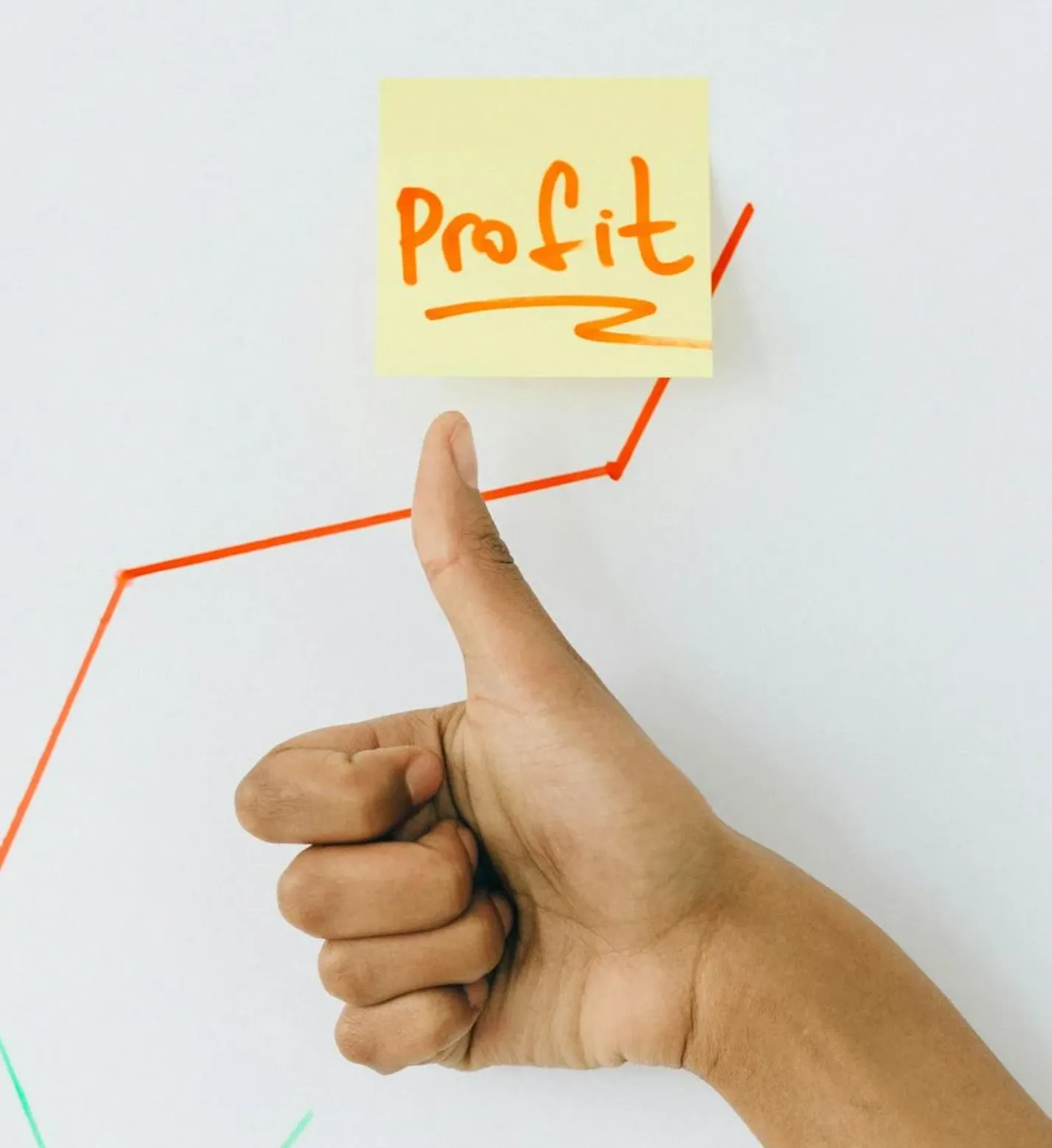
- 0–3 months:
Clean-up, rebuild or restructuring, technical fixes, new pages created, tracking put in place.
You start seeing more consistent impressions and indexing. - 3–9 months:
More keywords start ranking. You see a clearer growth in organic traffic and more qualified leads. - 9–24+ months:
Your site becomes a serious player for your main searches. People start Googling your brand by name.
You’re no longer “invisible” online.
SEO isn’t a quick fix. It’s a long game. But it’s one of the very few long games that can keep paying off
without you pouring money into ads every single month.
Signs You Need to Take SEO Seriously – As in, Yesterday
- You’re proud of your website design, but you barely get any leads from it
- You search your main service + your city… and you can’t find yourself
- You’re dependent on Google Ads or social ads and turning them off scares you
- Competitors with basic-looking sites are getting more calls, reviews, and visibility
If any of that rings a bell, you don’t need the next shiny marketing trend.
You need a website that plays nicely with search engines and makes it easy for real people to say “yes”.
Ready to Turn Invisible Traffic Into Real Leads?
If you want a website that:
- Shows up when people search for what you actually sell
- Makes sense to normal humans, not just tech folks
- Turns traffic into phone calls, bookings, and sales
…then you don’t need 14 tools and 27 funnels.
You need a solid, SEO-first website build that does the basics extremely well. That’s what we do at stech.
SEO & Website Traffic: FAQs (Plus Some Myth Busting)
1. Can SEO alone really grow my website’s traffic?
Yes, if it’s done properly. For a lot of businesses, organic search ends up being the biggest and most reliable
source of traffic. If your website is built with SEO in mind from day one, and you target the right topics and
locations, you can grow traffic steadily without depending solely on ads.
2. Myth: SEO is a one-time thing – you “do it” and it’s done.
This is a popular myth. You can absolutely do a big push to get the foundations right – a rebuild, technical fixes,
better content – but SEO lives in a moving world. Search habits change, competitors improve, and new opportunities
appear. The base can stay stable, but staying visible usually needs at least light ongoing tuning.
3. How long does it take to see results from SEO?
You might see small wins in the first few months, especially if your old site had obvious problems.
But serious, consistent results typically take a few months to a year depending on competition, content quality,
and how strong your domain already is. If you need “results tomorrow”, that’s more of a paid-ads job.
If you want sustainable growth, that’s where SEO shines.
4. Myth: I need to post blogs every day to rank.
No. Posting low-quality content every day is a great way to burn time and money. You don’t need a huge blog;
you need useful, targeted content that actually answers the questions your ideal customers ask.
A small number of well-planned, well-structured pages can beat a giant, messy blog any day.
5. Can you guarantee a #1 ranking on Google?
Short answer: no. Anyone who “guarantees” a #1 ranking is either lying or planning to chase shady tactics that
might work for a moment and then get you penalized. What we can do is build a strong SEO foundation, target
realistic opportunities, and steadily grow your visibility, traffic, and leads in a clean, sustainable way.
6. Myth: Social media is more important than SEO now.
Social media is great for awareness and community, but most people still go to Google when they’re actively
looking for a solution or ready to buy. Ideally, you use both. But if your budget is limited, a conversion-focused,
SEO-ready website is often the smarter first investment than trying to “go viral” on five different platforms.
7. Does AI and zero-click search mean SEO is dead?
No. AI and rich results change how people search, but they don’t remove the need for strong websites.
People still need to compare providers, check details, see reviews, understand pricing, and take action. The game
has shifted from “chase every click at any cost” to “be the most helpful and trustworthy option when people do
decide to click.” That’s still very much an SEO game.
8. Myth: SEO is just keywords and backlinks.
Keywords and backlinks matter, but modern SEO is also about user experience, site speed, structure, intent,
clarity, and trust. A fast, clear, helpful site with average backlinks can beat a slow, confusing site with a
bigger backlink profile. The goal isn’t to trick the algorithm; it’s to build something that deserves to rank.
9. Do I still need SEO if I already run ads?
Yes. Ads are like renting attention. SEO is like owning property. When you stop paying for ads, the traffic stops.
A strong SEO foundation means your website can keep bringing in visitors even if you pause your ad campaigns.
For most businesses, the best setup is a mix: ads for quick wins, SEO for long-term stability.
10. Myth: My industry is “too boring” for SEO.
There is no “too boring” industry online. People Google everything: “best drain cleaner”, “when to service my boiler”,
“how often should I see a dentist”, “what does a business consultant do”. If your ideal customers are asking questions,
there is SEO opportunity. “Boring” often means less competition, which is actually a good thing.
References & Further Reading