
Apple iPhone 18 Pro: Another Slightly Modified Phone That Might Hurt Apple's Business Model
Exploring how Apple's annual iPhone releases, like the iPhone 18 Pro, might challenge its business model.

Apple's strategy of releasing a new iPhone yearly has become a hallmark of its business model. This approach has cultivated a strong anticipation among consumers, who eagerly await the latest advancements in smartphone technology. Each new release not only generates consistent sales but also strengthens Apple's position as a leading player in the competitive smartphone market. However, the recent launch of the iPhone 18 Pro has sparked discussions about the future viability of this strategy, especially considering the shifting expectations of consumers.
The iPhone 18 Pro, similar to its predecessors, presents a series of incremental changes rather than groundbreaking innovations. This pattern raises concerns about the sustainability of Apple's established annual release cycle. As the smartphone market matures, consumers are becoming increasingly discerning, often looking for substantial advancements that justify the cost of upgrading. The excitement that once surrounded each new iPhone release seems to be waning, which could present challenges for Apple as it adapts to this evolving landscape.
Consumer expectations have undergone significant changes over the years. With each new iPhone iteration, buyers anticipate revolutionary features that will distinguish the device from its predecessors. Nonetheless, as the market saturates, it becomes more challenging for Apple to deliver truly innovative features with every release. The iPhone 18 Pro, although a capable device, may not offer enough persuasive reasons for users to upgrade from their existing models. This trend poses a risk to Apple's sales figures and overall market share, as consumers weigh the benefits of upgrading against the financial implications of a new device.
The competitive landscape in the smartphone industry is becoming increasingly difficult for Apple. Rivals such as Samsung and Google consistently push the boundaries, providing high-quality alternatives that appeal to a broad spectrum of consumers. These brands are not just innovating; they also offer devices at competitive price points, making it easier for consumers to consider options beyond the iPhone. As these competitors gain traction and market share, Apple's dependence on its annual release cycle faces scrutiny. The incremental updates seen in the iPhone 18 Pro may not be sufficient to maintain Apple's competitive edge in this crowded marketplace.
In light of these mounting challenges, there is a growing belief that Apple needs to reassess its business strategy. Moving away from the rigid annual release cycle could allow the company to concentrate on creating more substantial innovations. By prioritizing quality over frequency, Apple could develop products that genuinely resonate with consumers, standing out in a crowded market. This shift could help reinforce its brand identity and sustain its leadership position within the tech industry.
Industry analysts have noted that Apple's incremental updates in recent years have not matched the groundbreaking changes witnessed in earlier models. For example, the camera improvements and minor design adjustments in the iPhone 18 Pro, while appreciated, do not represent the leap forward that many consumers expect. This has led to a perception that Apple is playing it safe, which could potentially hinder long-term innovation. According to a report by TechInsights, the lack of significant innovation in recent models has been a point of concern for investors and consumers alike.
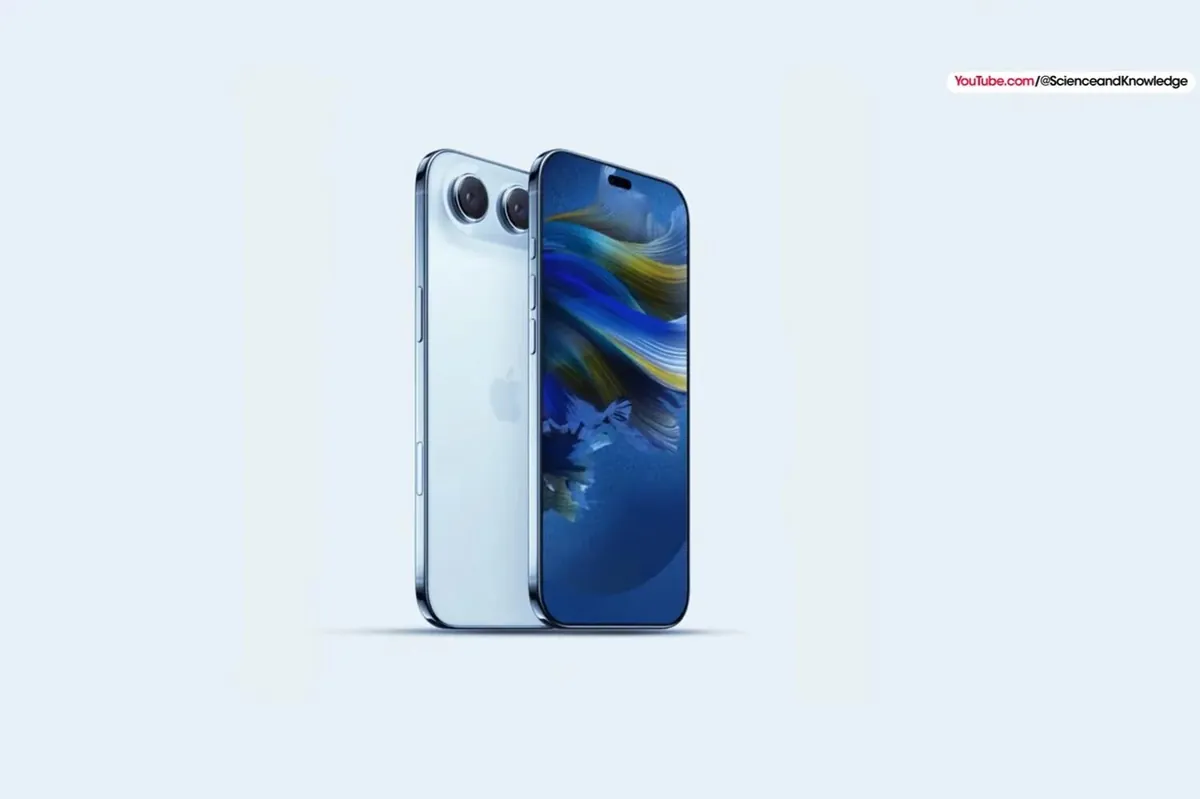
Furthermore, consumer surveys indicate a rising trend of users holding onto their devices longer, often waiting for more significant upgrades before making a purchase. A study conducted by Consumer Intelligence Research Partners (CIRP) found that the average time consumers keep their smartphones has increased, suggesting that the traditional annual release cycle may not align with current market demands. Consequently, Apple could benefit from adopting a more flexible release schedule, which would allow for the development of truly innovative features that can capture consumer interest and drive sales.
The Stech Group plays a crucial role in assisting businesses as they navigate these industry challenges. With extensive expertise in technology trends and market analysis, the Stech Group offers valuable insights that can help companies like Apple adapt to the ever-evolving landscape of consumer demands and competitive pressures. By leveraging the services and expertise offered by the Stech Group, businesses can make informed decisions that foster growth and long-term success.
As Apple confronts these pivotal moments, its annual release strategy, exemplified by the iPhone 18 Pro, finds itself at a significant crossroads. The tech landscape is evolving rapidly, and so too must Apple's approach to product development and market positioning. By exploring alternative strategies and embracing genuine innovation, Apple has the potential to continue thriving in a dynamic industry that is constantly in flux. The path ahead calls for careful consideration of consumer needs and market dynamics, but with the right adjustments, Apple can maintain its status as a leader in the smartphone arena.
The implications of these changes are profound. If Apple continues to release updated models with incremental changes, it risks alienating a portion of its consumer base. Many users may start to feel that the value proposition of upgrading is diminishing. This sentiment could encourage users to explore other brands that offer more compelling innovations. As competition increases, Apple must take proactive steps to ensure that its devices not only meet but exceed consumer expectations.
In addition to reevaluating its release strategy, Apple may need to invest more in research and development. By channeling resources into exploring groundbreaking technologies, the company could regain its reputation for innovation. This could involve focusing on areas such as artificial intelligence, augmented reality, or even new battery technologies. By leading the charge in these emerging fields, Apple could set itself apart from competitors and reignite consumer excitement about new products.
The smartphone industry is not static; it evolves continuously. As such, companies that fail to adapt may find themselves at a disadvantage. For Apple, the challenge lies in balancing its legacy of innovation with the realities of a mature market. By understanding the changing preferences of consumers and the dynamics of competition, Apple can position itself for continued success in the years to come. The road ahead will require strategic thinking and a willingness to embrace change, but the rewards could be substantial.

Stech Group
We deliver managed IT services, secure cloud solutions, and smarter technology for your business.
Stech Group is an IT services and performance marketing agency based in Folsom, CA. We serve small and midsize businesses with solutions across cloud infrastructure, endpoint security, managed IT, web development, PR, digital marketing, and general marketing.
We position ourselves as a white-glove technology and growth agency. Our team helps organizations run scalable, secure, and efficient local and regional campaigns, while keeping the technical side clear, managed, and reliable.
Our in-house tech people love making technology smarter. From smart automation and compliance support to managed network monitoring, we manage it so you can forget it.
We also provide results-based SEO and web development solutions that increase your online footprint and help you leverage technology as a competitive advantage.





No comments yet.