
Is AI Marketing Beneficial or Just a Template?
Explore how AI impacts marketing creativity versus templated approaches in this in-depth analysis.
AI is transforming the marketing landscape, but how does it affect creativity? The integration of AI tools in marketing has sparked a debate about whether these innovations enhance human creativity or reduce marketing to mere templated outputs. As someone with over ten years of experience in marketing and managing a tech group offering digital marketing services, I aim to clarify this crucial issue. AI's role in marketing is multifaceted, and understanding its impact is essential for navigating the future of marketing strategies.
The Role of AI in Streamlining Operations
AI excels at operational efficiency. It helps marketers streamline processes and automate repetitive tasks. Tools powered by AI can significantly speed up content production, such as video editing and graphic design, allowing teams to focus on strategic initiatives. For instance, generative AI can produce content quickly, making it easier for organizations to meet tight deadlines. However, this operational prowess should not be mistaken for creativity. AI's ability to handle large volumes of data and perform tasks at speed is unmatched, yet it lacks the human touch that makes marketing truly resonate with audiences.
AI's Limitations in Creativity
While AI can analyze patterns and suggest ideas, it lacks the nuanced understanding of human emotion and creativity. Marketing is inherently about storytelling and connecting with audiences on a personal level. An AI's comprehension is rooted in data patterns, making it challenging to replicate the unique quirks that define effective ads. It’s unlikely that AI will replace marketing teams that rely on creativity and deep understanding of their target audience. The essence of marketing lies in its ability to evoke emotions and create lasting impressions, something AI is not equipped to do independently.
Collaboration Between AI and Human Marketers
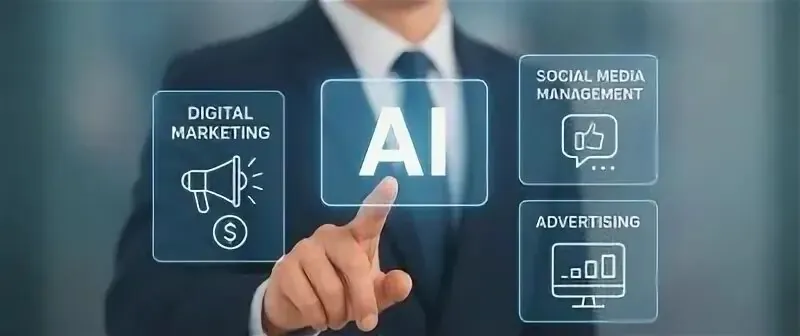
The future of marketing lies in collaboration between AI tools and human creativity. AI can assist in generating ideas and optimizing campaigns, but it cannot replace the human element that drives authentic marketing. In this sense, AI should be viewed as a supportive tool that enhances the capabilities of marketing professionals rather than a replacement. By leveraging AI's strengths in data analysis and operational tasks, marketers can focus on crafting compelling narratives and strategies that resonate with consumers.
The Necessity of Human Insight
When it comes to crafting a marketing strategy, human insight is irreplaceable. Understanding market trends, consumer behavior, and emotional triggers requires a depth of experience and intuition that AI cannot replicate. Brands need to develop nuanced strategies tailored to their products and audiences, which is where human marketers excel. The ability to interpret data and translate it into actionable insights is a uniquely human skill that remains crucial in the marketing domain.
The Future of AI in Marketing
AI will undoubtedly play a significant role in the future of marketing, but it will not eliminate the need for skilled marketers. Instead, it will help in areas such as data analysis, operational efficiency, and campaign optimization. As AI technologies continue to evolve, they will complement human skills rather than replace them. This partnership can lead to more innovative and effective marketing strategies. The challenge will be to leverage AI's strengths while emphasizing the irreplaceable value of human creativity and insight in the marketing process.
Stech Group
We deliver managed IT services, secure cloud solutions, and smarter technology for your business.
Stech Group is an IT services and performance marketing agency based in Folsom, CA. We serve small and midsize businesses with solutions across cloud infrastructure, endpoint security, managed IT, web development, PR, digital marketing, and general marketing.
We position ourselves as a white-glove technology and growth agency. Our team helps organizations run scalable, secure, and efficient local and regional campaigns, while keeping the technical side clear, managed, and reliable.
Our in-house tech people love making technology smarter. From smart automation and compliance support to managed network monitoring, we manage it so you can forget it.
We also provide results-based SEO and web development solutions that increase your online footprint and help you leverage technology as a competitive advantage.





No comments yet.